
Q3 2026 Quarterly Investment Report

A Message from the Chief Investment Officer
As we close the third quarter of 2026, we reflect on a period marked by persistent geopolitical tensions, renewed inflationary pressures, and a significant repricing of global interest rates. Despite these headwinds, diversified equity portfolios generally delivered positive returns, while fixed income markets faced a more challenging environment.
In this letter, we review the key developments that shaped financial markets during the quarter, assess the performance of major asset classes, and share our perspective on the opportunities and risks ahead.
Portfolio Performance
During the third quarter, the JCIC Balanced Fund gained 1.1% (+6.9% year-to-date). Within our individual equity strategies, the US Equity portfolio led performance, returning 4.9% (+13.9% YTD). The Global Growth Equity portfolio gained 0.6% (+14.3% YTD), while the International Equity portfolio declined 1.1% (+10.3% YTD). All returns are expressed in Canadian dollars.
The Defining Theme: Energy, Inflation, and Higher Interest Rates
The conflict involving Iran, which began in February 2026, continued to dominate the macroeconomic landscape throughout the third quarter. Persistent disruptions to Middle Eastern energy supplies pushed oil and natural gas prices sharply higher, reigniting inflationary pressures across developed economies. Inflation remains above the 2% central banks target (figure 1).
This energy-driven inflation shock complicated the outlook for central banks, many of which had previously been holding interest rates steady or considering further easing. Instead, policymakers were forced to reassess the inflation outlook and shift toward a more restrictive monetary policy stance.
The resulting repricing of interest rate expectations had significant implications for global bond markets and contributed to a divergence in performance across equity sectors.
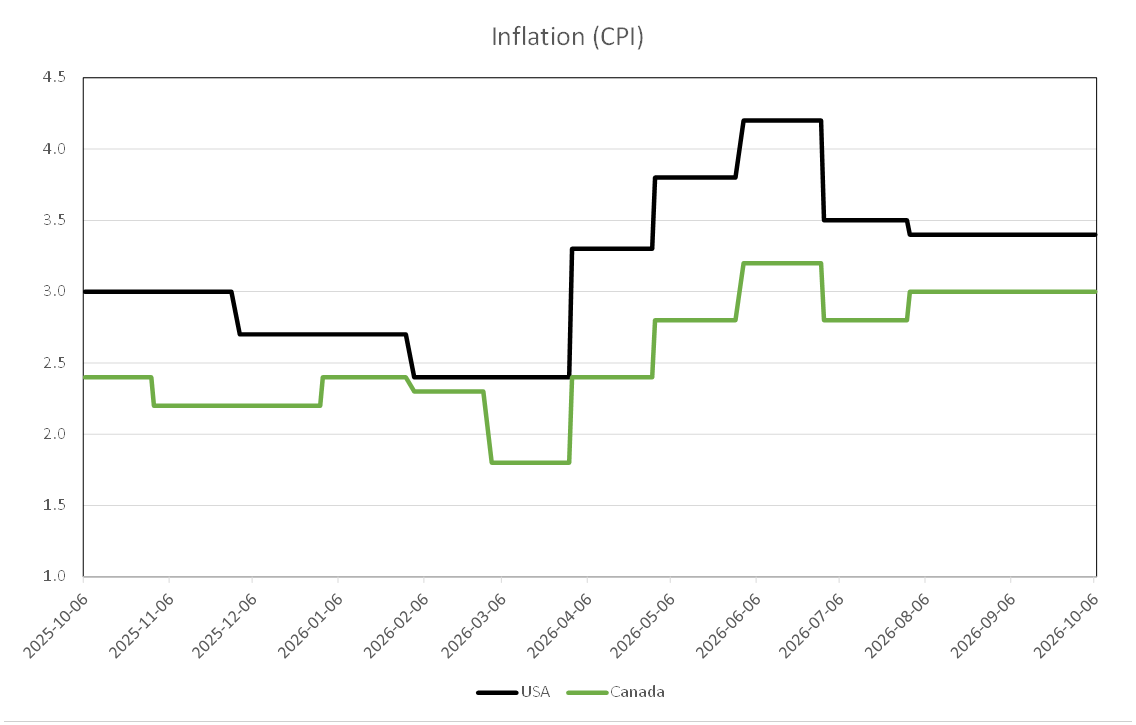
Figure 1. Inflation (CPI) (Source: Bloomberg)
Central Bank Policy
United States — Federal Reserve
The Federal Reserve raised interest rates during the quarter (figure 2), with policymakers signaling that additional tightening may be necessary should inflation remain elevated.
Federal Reserve Governor Michael Barr cautioned that further rate increases could be required if inflation fails to moderate, highlighting the risk that persistent price pressures could become more deeply entrenched. Governor Christopher Waller indicated that his September policy decision was heavily influenced by August inflation data. Toward the end of the quarter, New York Fed President John Williams suggested that another rate increase later in the year could be appropriate, although he emphasized that there was no immediate urgency to act.
Financial markets are currently pricing in an additional rate increase in December, followed by another during the first quarter of 2027.
Canada — Bank of Canada
The Bank of Canada maintained its benchmark interest rate at its July meeting (figure 2), although Governor Tiff Macklem adopted an increasingly hawkish tone as the quarter progressed. In September, Macklem highlighted the risks associated with delaying further monetary tightening, particularly given the potential for the Middle East conflict to sustain elevated inflation and broaden price pressures throughout the Canadian economy.
Markets interpreted these comments as a signal that additional rate increases remain a distinct possibility. Similar to expectations in the United States, markets are currently pricing in a Bank of Canada rate increase in December, followed by another in the first quarter of 2027.
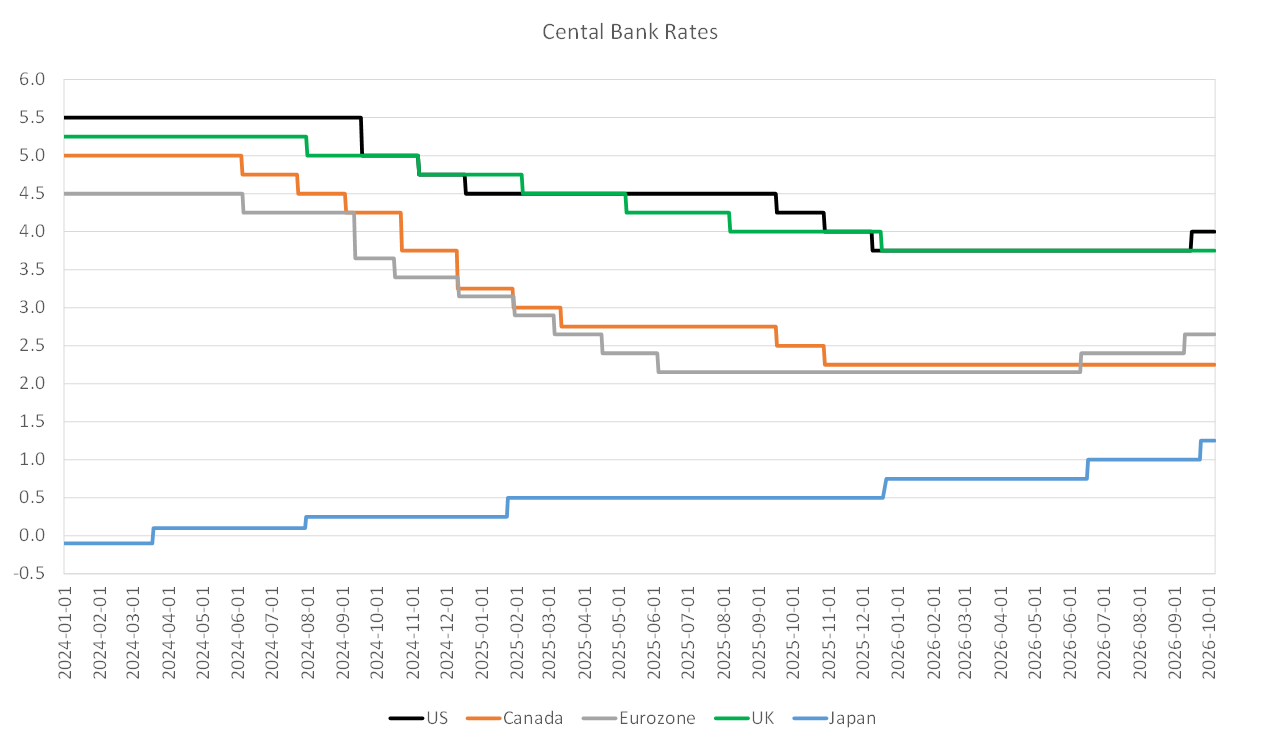
Figure 2. Central Bank Rates (Source: Bloomberg)
Equity Market Performance
Global equity markets delivered mixed but generally positive returns during the quarter, demonstrating resilience despite higher interest rates and ongoing geopolitical uncertainty. We believe this is a result of robust earnings growth across all major markets with growth expectations improving through the year. Earnings growth has been helped by energy, AI related infrastructure development and improved labour productivity.
The S&P 500 led major developed markets with a total return of 2.5%, supported by strength in the Energy and Health Care sectors. Canadian equities, as measured by the S&P/TSX Composite Index, returned 1.3%, benefiting from Canada's relatively significant exposure to energy producers.
All index returns are expressed in Canadian dollars.
Sector Leadership and Laggards — S&P 500
Sector performance reflected the competing influences of higher energy prices, persistent inflation, and rising interest rates. Energy was the strongest-performing sector, advancing 12.2%, followed by Health Care at 10.2% and Information Technology at 5.8%.
Conversely, interest-rate-sensitive and economically cyclical sectors experienced considerable weakness. Utilities declined 11.8%, Real Estate fell 8.6%, and Industrials dropped 8.0%. This divergence highlights the importance of sector positioning in an environment where inflationary pressures and monetary policy are exerting an outsized influence on market returns.
Fixed Income
Fixed income was among the most challenging asset classes during the third quarter, as government bond yields rose sharply (figure 3) in response to changing inflation expectations, a more restrictive outlook for monetary policy and concerns over sovereign debt levels. However, during September, better than expected growth also contributed to yield pressure as demonstrated by an acceleration in real bond yields (figure 4).
The US 10-year Treasury yield increased from 4.48% at the beginning of July to 5.29% on September 30, representing an increase of approximately 81 basis points. Over the same period, the Canadian 10-year government bond yield rose from 3.38% to 3.99%, an increase of approximately 61 basis points. These movements translated into meaningful price declines across bond markets (figure 5). The Bloomberg US Aggregate Bond Index returned -3.3% for the quarter, while the Bloomberg Canadian Aggregate Bond Index declined 2.9%.
Duration, which measures a bond's sensitivity to changes in interest rates, was a primary driver of performance. Longer-duration securities experienced the greatest price declines as yields moved higher.
Our defensive fixed income positioning helped mitigate the impact of these market movements. Throughout the quarter, we maintained a shorter portfolio duration relative to our benchmarks, alongside an underweight allocation to fixed income and an overweight position in cash and cash equivalents. This positioning reduced our exposure to rising interest rates while preserving flexibility to take advantage of more attractive bond yields as opportunities emerge.
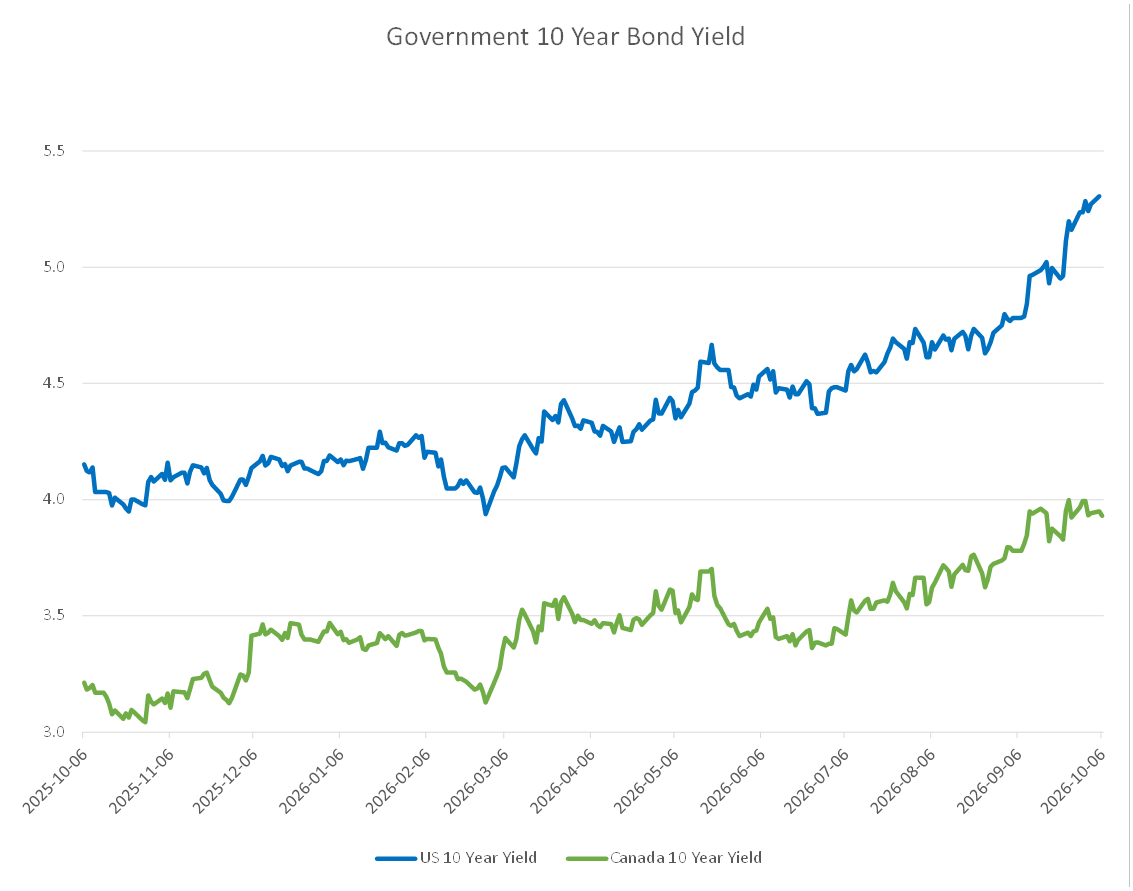
Figure 3. Government 10 Year Bond Yield (Source: Bloomberg)
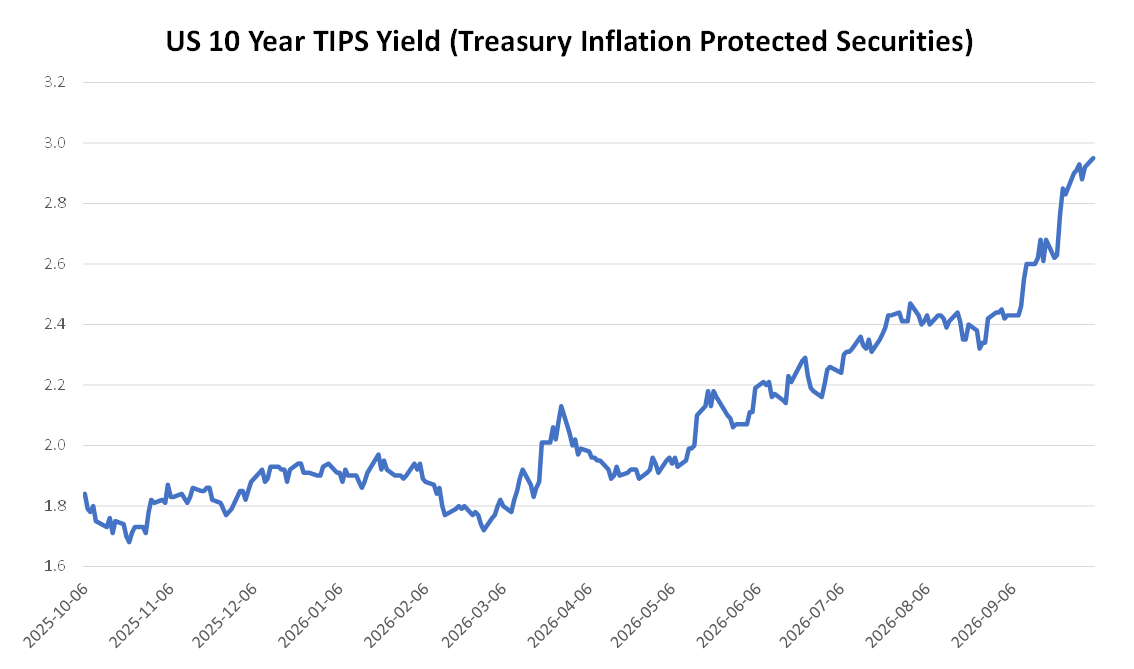
Figure 4. US 10 Year TIPS Yield (Source: Bloomberg)
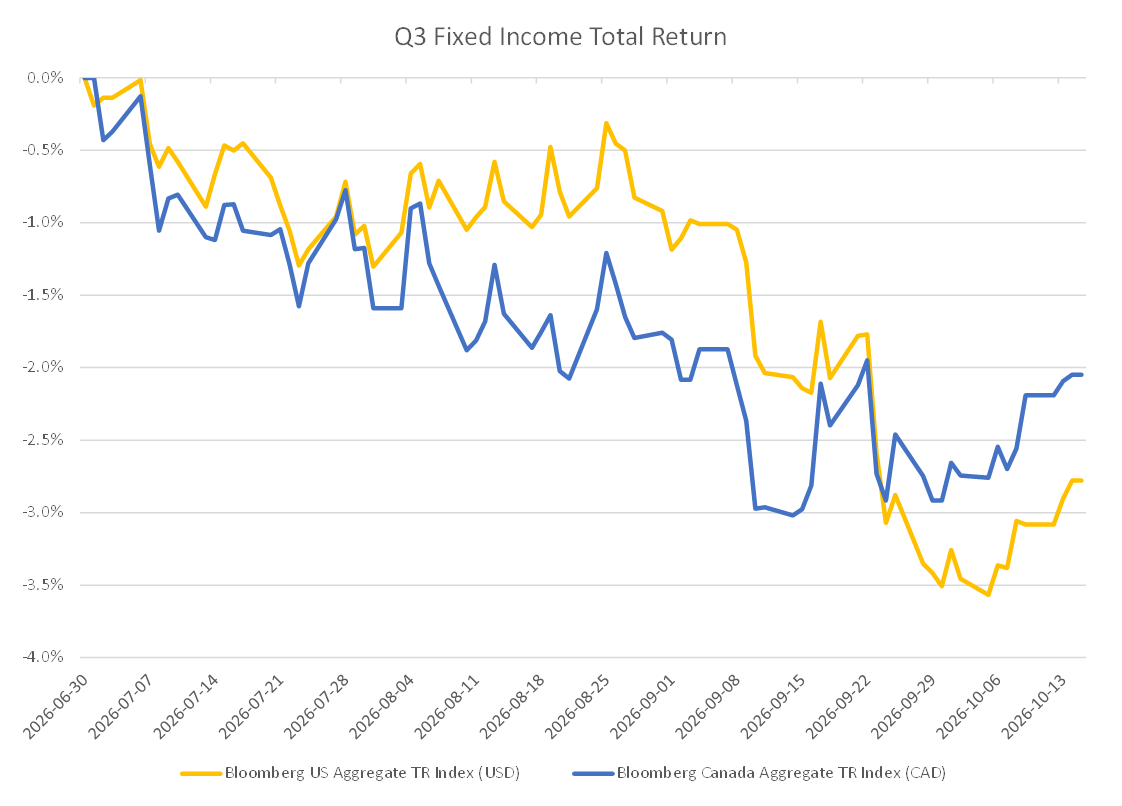
Figure 5. Q3 Fixed Income Total Returns (Source: Bloomberg)
Looking Ahead to Q4
As we enter the final quarter of 2026, we see three key themes likely to influence financial markets and our portfolio positioning.
1. Energy Prices, Geopolitical Risk, and Inflation
The direction of energy prices remains one of the most important variables for the global economic outlook.
Unlike inflation driven by excessive demand, the recent increase in energy prices has been primarily the result of supply disruptions stemming from the conflict involving Iran. This distinction is important because a resolution or meaningful de-escalation of the conflict could lead to a relatively rapid decline in energy prices. The downward-sloping oil futures curve suggests that markets anticipate some moderation in prices over time (figure 6).
This dynamic makes us cautious about materially increasing our exposure to the Energy sector following its strong recent performance. While current earnings and cash flows have benefited from elevated commodity prices, the potential for a reversal creates a risk for any investor entering the sector at these levels.
Nevertheless, energy exposure continues to serve an important role within diversified portfolios. In addition to its fundamental investment merits, the sector provides a potential hedge against geopolitical instability, including tensions in the Middle East and the ongoing Russia-Ukraine conflict, as well as broader inflationary pressures.
We therefore remain selective, balancing the benefits of energy exposure against the risks associated with elevated commodity prices.
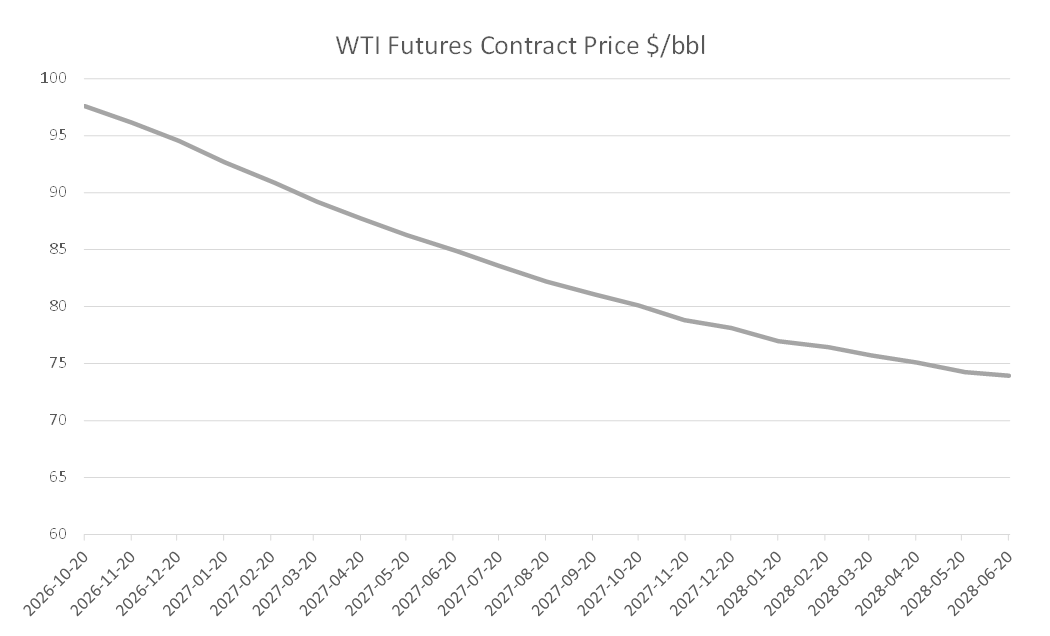
Figure 6. WTI Futures Contract Price $/bbl (Source: Bloomberg)
2. The Economic Impact of Higher Interest Rates
A second key consideration is how households and businesses will absorb the cumulative effects of higher interest rates.
Monetary policy operates with a lag, meaning that the full economic impact of previous rate increases may not yet be reflected in consumer spending, business investment, or corporate earnings. Interest-rate-sensitive areas of the economy, particularly housing, real estate, and consumer discretionary spending, remain vulnerable to a prolonged period of restrictive monetary policy.
However, periods of widespread pessimism can also create attractive investment opportunities.
Consumer-oriented businesses have experienced an extended period of relative underperformance, and valuations in certain segments increasingly reflect expectations of a difficult economic environment. Should economic conditions prove more resilient than anticipated, or inflationary pressures begin to moderate, selected companies could offer meaningful upside.
We are monitoring these opportunities closely, with an emphasis on high-quality businesses possessing strong balance sheets, durable competitive advantages, and the ability to navigate a challenging consumer environment.
3. Renewed Opportunities in Fixed Income
The sharp rise in government bond yields has materially improved the prospective return profile of fixed income investments.
With the US 10-year Treasury yield now above 5% and Canadian government bond yields also significantly higher, investors are being offered income levels not seen in many years. While near-term volatility remains a concern, these higher starting yields provide a more attractive foundation for longer-term fixed income returns.
Against this backdrop, we have begun gradually redeploying a portion of our elevated cash holdings into fixed income securities and selectively extending portfolio duration.
Our approach remains measured. Although valuations have become more compelling, persistent inflation and the possibility of additional central bank tightening could place further upward pressure on yields.
Accordingly, we continue to maintain an underweight allocation to fixed income and a shorter duration profile relative to our benchmarks. However, we believe the opportunity set is improving and intend to remain opportunistic as market conditions evolve.

Closing Thoughts
The third quarter reinforced the importance of maintaining a disciplined and flexible investment approach. Geopolitical developments, inflation, and monetary policy continue to create uncertainty, but they also generate opportunities for patient, long-term investors.
Our focus remains on preserving capital, identifying attractive risk-adjusted investment opportunities, and positioning portfolios to navigate a range of economic outcomes. Diversification across asset classes, sectors, and geographies remains central to our investment philosophy. Equally important is our willingness to adjust portfolio positioning as valuations and market conditions change.
We appreciate the continued trust you place in JCIC and remain committed to managing your capital with care, discipline, and a long-term perspective.

Disclosure: Although we obtain information contained in our newsletter from sources we believe to be reliable, we cannot guarantee its accuracy. The opinions expressed in the newsletter are those of JCIC Asset Management, its editors and contributors, and may change without notice. Any views or opinions expressed in the newsletter may not reflect those of the firm as a whole. The information in our newsletter may become outdated and we have no obligation to update it.
The information in our newsletter is not intended to constitute individual investment advice and is not designed to meet your personal financial situation. It is provided for information purposes only and nothing herein constitutes investment, legal, accounting or tax advice, or a recommendation to buy, sell or hold a security. No recommendation or advice is being given as to whether any investment is suitable for a particular investor or a group of investors. It should not be assumed that any investments in securities, companies, sectors or markets identified and described were or will be profitable.
We strongly advise you to discuss your investment options with your Relationship Manager prior to making any investments, including whether any investment is suitable for your specific needs.
The information provided in our newsletter is private, privileged, and confidential information, licensed for your sole individual use as a subscriber. JCIC Asset Management reserves all rights to the content of this newsletter.